


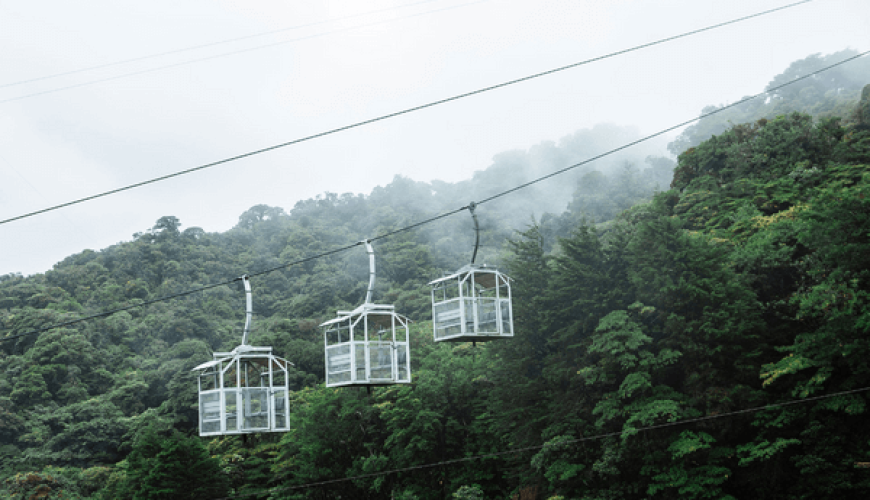









Pura vida! Costa Rica has been named Destination of the Year 2024 by Travel + Leisure and continues to captivate travelers with its stunning biodiversity and warm culture. If you’re planning your first trip to this Central American paradise, you likely have many questions. Fear not – this guide covers all the essentials international tourists should know before visiting Costa Rica. From entry requirements and safety tips to weather, wildlife, and local etiquette, we’ve got you covered. The goal: help you make informed decisions, ease any worries, and get you excited for an unforgettable Costa Rican adventure!
Entry Requirements: Visas, Passports, and Arrival Tips
For most travelers, visiting Costa Rica is straightforward. No tourist visa is required for citizens of the United States, Canada, and the European Union, among many others, for stays up to 90 days. You’ll just need a valid passport (make sure it’s valid for the entirety of your stay, and at least 3-6 months beyond your entry date to be safe). Upon arrival, immigration will stamp a 90-day tourist visa in your passport. Tip: Keep a copy of your passport with you, and ideally carry the original or at least have it accessible. While many tourists carry only a photocopy to avoid theft, note that technically local law enforcement can ask to see your original passport. It’s rare, but to be fully compliant you may want the original handy (for instance, if driving and stopped by traffic police).
You should also have proof of onward travel (such as a return ticket or ticket to your next destination) – immigration officers might ask for it. Make sure to fill out the customs and immigration forms provided on the plane. As of 2025, there’s no COVID-related entry requirement or health form, but do double-check the latest regulations before flying. Departure tax: When leaving Costa Rica, there’s a $29 exit fee, though most airlines now include this in your ticket. If yours doesn’t, you’ll pay it at the airport before departure.
Best Time to Visit: Weather and Seasons
Costa Rica’s climate can be summed up in two main seasons: dry season (summer) and rainy season (also called green season by locals). Dry season typically runs from late November through April, offering plenty of sunshine – this is also the high tourist season. Rainy season is roughly May through mid-November, with the heaviest rains in September and October. Don’t let the word “rainy” scare you: even in these months, mornings are often sunny, and rains come as dramatic afternoon showers that quickly pass. The landscape is lush green, prices for accommodations can be lower, and crowds are thinner – many travelers actually love the green season.
Temperature-wise, it’s tropical. Coastal areas (beaches) are hot and humid (around 30°C / 86°F or more), while the highlands (like Monteverde or San José) are cooler, especially at night (can drop to 15°C / 60°F or lower). Packing layers is wise: light clothing for warm days, a sweater or light jacket for cooler nights in the mountains, and good rain gear if coming in wet months. When to go: If you want guaranteed sun, January to March are top picks, especially for beach lovers. If you don’t mind some rain and want to save money, consider May-June or November, which are shoulder seasons (rain is usually moderate and the country is beautifully green). Wildlife highlights: December-April is dry so easier for hiking; turtle nesting seasons vary (e.g., September-October on the Caribbean for green turtles in Tortuguero, or July-November on the Pacific for Olive Ridley arribadas in Ostional). There’s really no bad time – just different experiences.
Safety and Health: Staying Secure in Paradise
Costa Rica is generally a very safe and peaceful place to visit, especially compared to some neighboring countries. Millions of tourists visit each year without incident. However, like anywhere, you should exercise common-sense precautions. The most common crimes affecting tourists are petty theft, such as pickpocketing or car break-ins. To avoid issues:
-
Don’t leave valuables unattended on the beach or visible in your parked car (theft from rental cars is the most reported problem). Use your hotel safe for passports and excess cash.
-
Stay aware of your surroundings, especially in crowded areas or public buses (keep your bags in sight). For example, when getting off a bus, watch your luggage – opportunistic thieves might grab a bag if you’re distracted.
-
At night, stick to well-lit and populated areas, especially in San José or popular party towns like Jacó. Violent crime against tourists is rare, but it’s wise to not walk alone late at night in unfamiliar neighborhoods.
-
Use official transport: Take registered orange airport taxis or Bolt/InDriver ride-share apps in cities, and avoid unmarked cabs. If driving, know that road conditions can vary – some roads are curvy, narrow or potholed. Drive defensively and avoid long drives after dark outside urban areas (road signage and lighting can be poor). Always wear seat belts; road accidents are a bigger hazard than crime for travelers.
-
Wildlife safety: Treat wild animals with respect and distance. Don’t feed monkeys (it’s bad for them and they might bite), and keep a safe space from crocodiles (common in certain rivers and beaches like Tarcoles or parts of Guanacaste). When hiking, stick to marked trails. Snake bites are extremely rare, but wear closed shoes in the jungle just in case.
On the health front, no special vaccinations are required for Costa Rica if you’re coming from the U.S./Europe. If you’ve been in certain South American or African countries with Yellow Fever prior, you’ll need proof of Yellow Fever vaccination. It’s a good idea to be up to date on routine vaccines like tetanus. Costa Rica’s tap water is generally safe to drink in most areas (the country has high water treatment standards), but if in doubt or in very rural zones, stick to filtered or bottled water to be extra safe. Mosquitoes can carry dengue or chikungunya, especially in rainy season, so use repellent in lowland areas. Malaria risk is extremely low (almost non-existent in tourist areas), and no malaria pills are needed for Costa Rica according to health authorities. Nonetheless, pack any personal medications you need, plus basic first aid items (band-aids, Imodium, etc.). The country has good healthcare and pharmacies are widely available; many common medicines are sold over the counter, often under different brand names – pharmacists can help.
One more safety note: respect the ocean. Riptides on Costa Rican beaches can be strong. Many beaches don’t have lifeguards. Swim near locals or areas with others around, avoid swimming under the influence of alcohol, and if caught in a rip current, remember to float and swim parallel to shore to escape the current – do not try to swim straight back in against it.
Getting Around: Transportation Tips
Costa Rica may look small, but travel times can be longer than expected due to winding roads and terrain. You have a few options for getting around:
-
Domestic flights: Two local airlines (Sansa and Aerobell) connect major tourist towns (e.g., San José to Liberia, Quepos, Tamarindo, Puerto Jiménez, etc.). They drastically cut transit time (a 5-hour drive can become a 30-minute flight), though they cost more than the bus and planes are small. If you’re short on time and not on a tight budget, it’s worth considering for far-flung spots like Osa Peninsula.
-
Shuttle vans: Many tourists use shared shuttles – these are minibuses that pick you up at your hotel and drop you at your next hotel. They’re convenient and faster than public buses, albeit more expensive. Good for popular routes (e.g., San José to Monteverde or Manuel Antonio).
-
Public buses: Cheap and an adventure! The network is extensive. Buses are a great way to meet locals and see the countryside. For example, a bus from San José to Liberia (Guanacaste) might cost around $10. They’re fairly comfortable but not super luxurious. Major routes have air-conditioned coaches, while local routes might be old school buses. Check schedules on sites like Centrocoasting or ask locally. Be prepared for pura vida pace – buses might make many stops. Also, keep your belongings close (wear your daypack on your front, especially in city buses).
-
Rental car: If you’re up for it, renting a car offers the most flexibility – you can reach off-the-beaten-path places on your own schedule. Many roads to popular sites are paved and fine; however, some areas (like Monteverde, parts of Nicoya Peninsula, or Drake Bay) have rough gravel roads or rivers to cross. A 4×4 SUV is recommended if you plan to explore rural zones. Driving is on the right side, same as the U.S. Your home country driver’s license is valid for up to 90 days (no need for an international license). Rental cost can be around $40-$80/day including mandatory insurance – note that Costa Rica requires certain insurance that your credit card’s insurance might not cover. Always inquire about the total price with insurance to avoid surprise fees. Gas is sold in liters and is a bit pricey (roughly $5-6 per gallon). Also, consider downloading an offline map (Maps.me or Google Maps offline) since cell signal can drop in remote areas.
-
Taxis and ride-shares: Official taxis are red with a yellow triangle. They’re metered (ask driver to use the maria, the meter). In tourist towns, you might negotiate a fare in advance. Uber and other ride-share apps operate semi-legally in cities like San José – many visitors use Uber, especially within San José or to/from SJO Airport, as it can be cheaper than official airport taxis.
Money Matters: Currency, ATMs, and Tipping
Costa Rica’s currency is the colón (CRC). You’ll see prices sometimes in dollars (especially hotels, tours) and sometimes in colones. Both USD and CRC are widely accepted in tourist areas. In fact, many tour operators quote prices in USD. It’s a good idea to carry some of both. As of early 2025, the exchange rate hovers around 550-570 colones per 1 USD. You can exchange money at banks or use ATMs, which are abundant in towns and cities (less so in remote beach areas, so stock up before heading to a secluded spot). ATMs often give you the option to withdraw in colones or dollars. Credit cards are widely accepted (Visa and Mastercard more so than Amex), especially in hotels, restaurants, and shops in tourist zones. However, small businesses, local eateries, and rural guesthouses might be cash only, so always have some cash.
Tipping: A 10% service charge is already added in most restaurant bills in Costa Rica (it’s the law). Locals don’t typically add much beyond that. That said, if you receive exceptional service, leaving an extra tip (another 5-10%) is appreciated. For porters or bellhops, around $1 per bag (about ₡500-₡1000 colones) is a fair tip. Tour guides commonly receive tips if they did a good job – maybe $5-10 per person for a day tour, or more if it was an all-day expedition. Taxi drivers typically are not tipped (and they won’t expect it), but you can round up to avoid small change. In general, tipping in Costa Rica is more low-key than in the US; you won’t offend anyone by tipping, of course, but don’t feel pressured.
Embracing “Pura Vida”: Culture and Etiquette Tips
Pura vida isn’t just a phrase; it’s a lifestyle. It translates to “pure life,” but it’s used as a greeting, farewell, or to say “all good,” “no worries.” Don’t be surprised if someone asks “¿Cómo estás?” (How are you?) and the answer is “¡Pura vida!” That encapsulates the friendly, relaxed vibe of Costa Ricans (who call themselves ticos). To make a good impression and connect with locals:
-
Greetings: Ticos are polite. A simple “Buenos días/tardes” (Good morning/afternoon) when entering a small shop or starting a conversation goes a long way. People usually handshake or even do a light cheek kiss (among women or opposite genders) when meeting in social settings, but as a tourist, a handshake and a smile are fine.
-
Language: Spanish is the official language. In tourist areas, many people speak decent English (hotel staff, tour guides, younger folks). Learning a few basic Spanish phrases will earn you goodwill. Try “gracias” (thank you), “por favor” (please), “disculpe” (excuse me) and you’ll see smiles. If you address someone and they answer in English, you can continue in English – they’re helping you out.
-
Environmental respect: Costa Rica prides itself on eco-friendly practices. You’ll notice an effort to reduce plastic usage (plastic bags are largely banned from stores), recycling bins in many hotels, etc. Join in that ethos: carry a reusable water bottle, don’t litter (of course), and be mindful of sensitive environments (don’t touch coral, don’t disturb wildlife). If you smoke, note that smoking is banned in public places like parks, bus stops, restaurants – there are designated smoking areas.
-
Driving and road etiquette: If you rent a car, know that ticos can be both laid-back and daring on the road. They often use turn signals to communicate different things (like flashing hazards to say thank you). Don’t be surprised by motorcycles zipping past in traffic jams. Follow the rules and drive defensively, and don’t engage in road rage. Also, speed limits are in km/h and are enforced via traffic cameras and police with laser guns on highways – speeding tickets for rental cars will eventually reach you via the rental company, so save yourself the trouble and stick to limits (typically 80 km/h on open roads, 50 or 60 km/h near towns).
Must-Pack Items for Costa Rica
In addition to your usual travel gear, here are a few specific items:
-
Rain jacket or poncho: even in dry season, a passing shower can happen, especially in rainforest areas.
-
Insect repellent: crucial for evenings or in the rainforest (look for one with DEET or picaridin for effectiveness). Also anti-itch cream in case you do get bites.
-
Sunscreen (reef-safe if possible): the tropical sun is strong year-round, and sunburn can sneak up even on cloudy days. Reef-safe formulas help protect marine life if you’ll be snorkeling or swimming near coral.
-
Sturdy water shoes or hiking sandals: many activities involve water (crossing streams, waterfall hikes) – having footwear that can get wet and dry easily is super useful.
-
Binoculars: if you’re into wildlife, a compact pair will enhance your experience (spotting birds or sloths high in trees).
-
Converter/adapter: Costa Rica uses the same voltage (120V) and outlets as the U.S. and Canada (Type A/B plugs), so travelers from those countries don’t need an adapter. Europeans and others will need an adapter to US-style two-prong plugs.
-
Light daypack: for carrying water, snacks, camera, and rain gear on day excursions. Prefer one that’s water-resistant or comes with a rain cover.
-
Health kit: besides any personal meds, pack diarrhea medicine (new foods, you know), motion sickness pills if you get car-sick on winding roads, and basic pain relievers.
Costa Rica truly offers something for everyone – whether you’re a beach bum, nature enthusiast, adventure seeker, or cultural explorer. And the best part is the welcoming spirit of its people. By knowing these essentials, you’ll navigate your trip with ease and confidence. Get ready to zipline through cloud forests, watch monkeys swing above your hotel, sip on some rich Costa Rican coffee, and learn the true meaning of pura vida. Enjoy your trip, and bienvenida/o a Costa Rica!
0 Comment