




From smoking volcanoes and misty cloud forests to pristine beaches and vibrant wildlife, Costa Rica is packed with incredible places. If you’re planning your first visit, you might be wondering where to go to get the best taste of the country’s famed beauty. Fear not! Here we highlight 7 must-visit destinations that showcase the diverse landscapes and experiences Costa Rica offers. These spots are popular for good reason – each will give you unforgettable memories and plenty of wow moments. Let’s dive into the list (in no particular order, because they’re all awesome!):
1. Arenal Volcano & La Fortuna – Adventure Capital with an Iconic Volcano
Why it’s amazing: The perfect cone of Arenal Volcano is one of Costa Rica’s most postcard-worthy sights. Towering over the town of La Fortuna, this (mostly) dormant volcano (last big eruption was in 1968) offers a dramatic backdrop to nearly every activity here. The region is known as Costa Rica’s adventure hotspot.
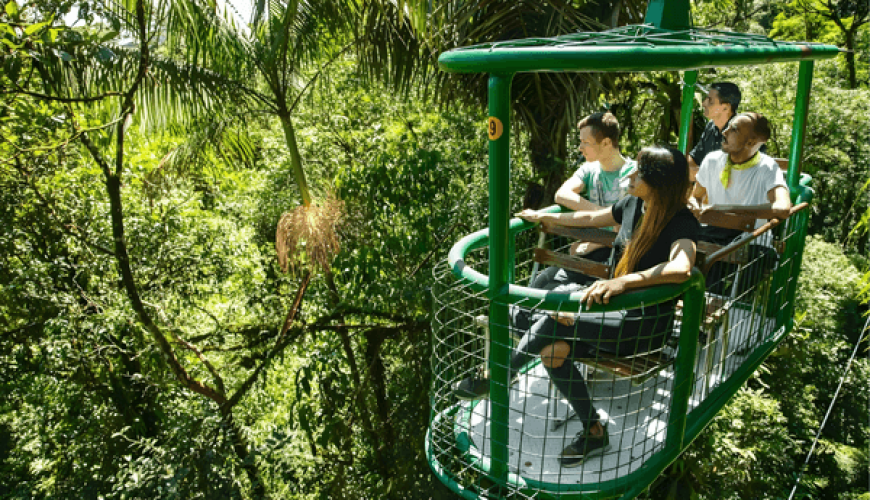
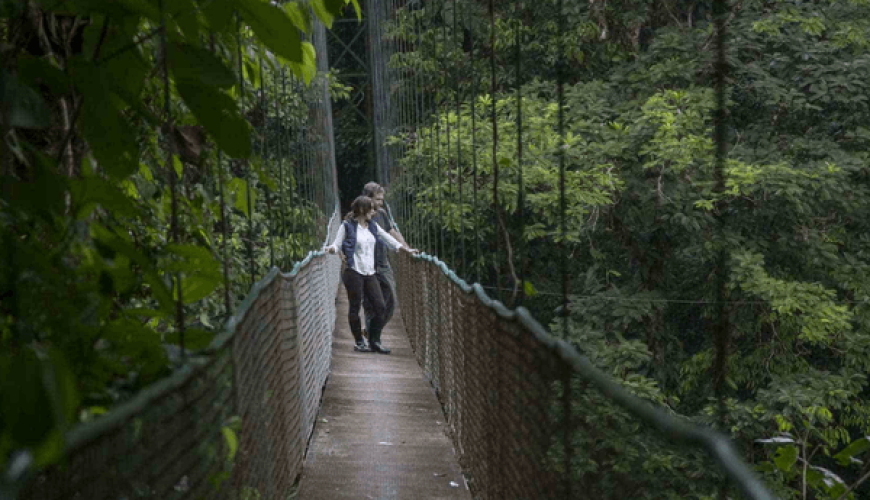
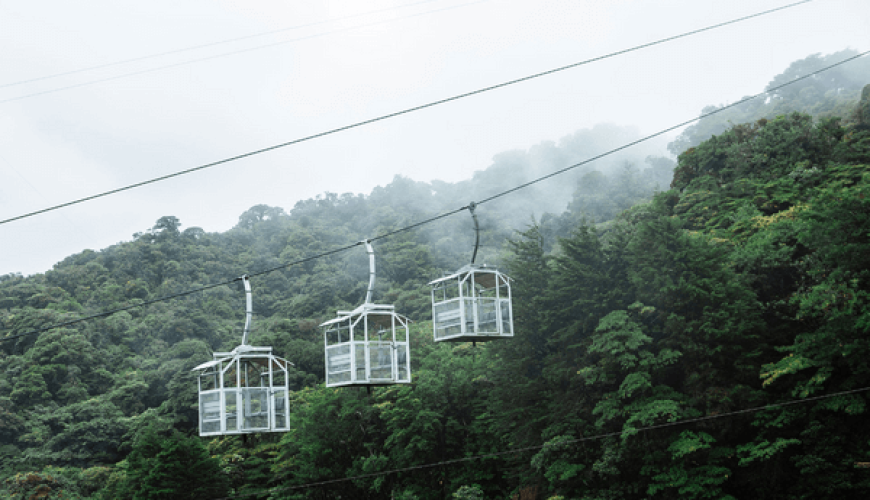
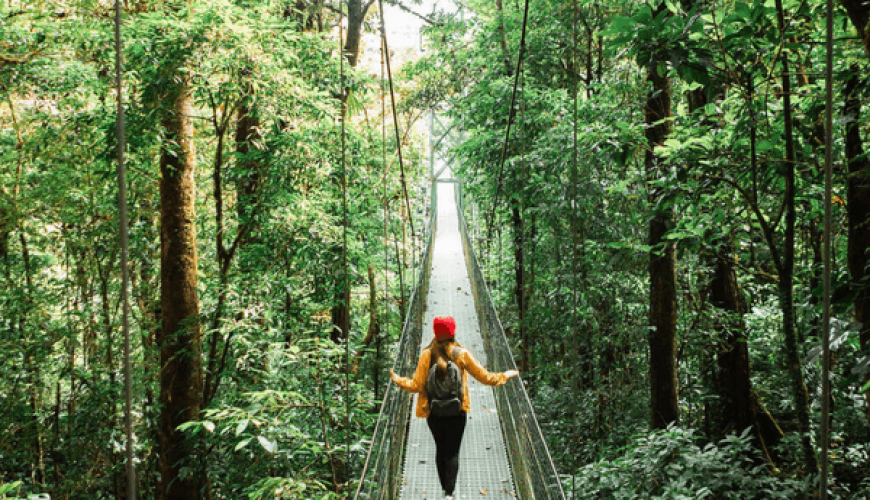
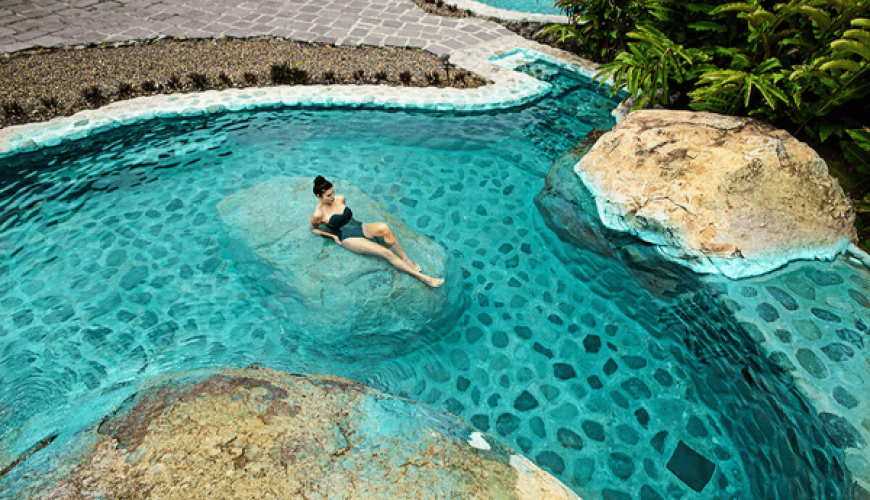
Top things to do: Go zip-lining or rappelling down waterfalls in the surrounding rainforest. Soak in natural hot springs – Baldi, Tabacón or EcoTermales are popular, thanks to geothermal heat from Arenal. Hike the Arenal Volcano National Park trails across old lava fields for views of the volcano and Lake Arenal (go in the morning for clearer skies). Don’t miss the stunning La Fortuna Waterfall, a short drive from town, where you can hike down and swim in its chilly pool amid lush jungle. For wildlife, consider a night tour to spot frogs, or visit the Arenal Hanging Bridges to walk through the canopy and glimpse monkeys and sloths.
Good to know: La Fortuna town has plenty of hotels and restaurants for all budgets, from backpacker hostels to luxury resorts. It’s about a 3-hour drive from San José. Come prepared for sporadic rain even in dry season (it’s rainforest!). Also, respect the no-go radius around the volcano’s peak – although currently resting, Arenal is monitored, and certain areas are off-limits for safety.
2. Monteverde – Mystical Cloud Forest and Biodiversity
Why it’s amazing: Ever wanted to walk in clouds? Monteverde Cloud Forest Reserve is a high-elevation forest where persistent mist nourishes an incredible array of flora and fauna. This is a birdwatcher’s paradise – home to the resplendent Quetzal, an elusive, vibrantly colored bird that many come especially to see.
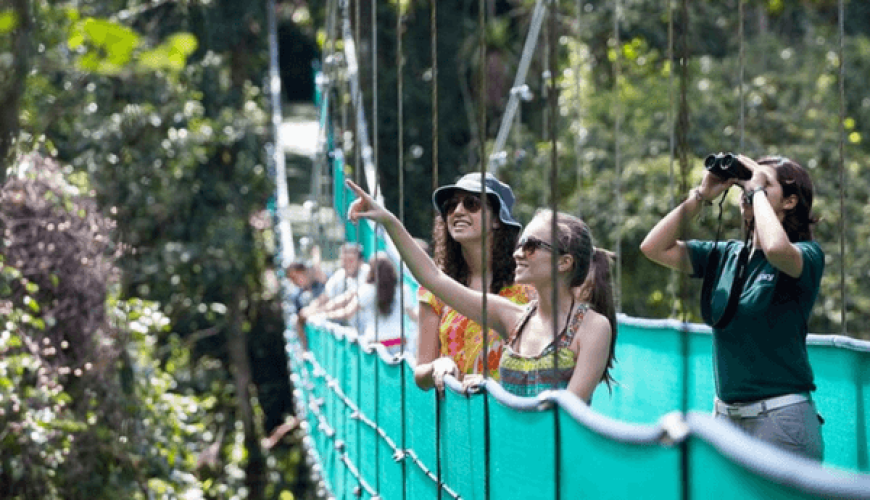
Top things to do: Hike the Monteverde Cloud Forest Reserve trails; early morning guided walks increase your chances of spotting wildlife like quetzals, toucans, howler monkeys, or the blue morpho butterfly. Explore the hanging bridges at Sky Walk or Selvatura Park for a bird’s-eye view of the canopy. Adrenaline junkie? Monteverde is where zip-lining in Costa Rica originally took off – try the Extremo or 100% Aventura ziplines, which are some of the longest and highest in the country (one even has a “Tarzan swing” and superman-style zip). Don’t miss the Hummingbird Gallery near the reserve entrance – dozens of hummingbirds whiz around feeders, inches from you. Also, Monteverde’s Butterfly Garden and frog ponds (herpetariums) are great to learn about these critters up close.
Good to know: Monteverde’s weather is cooler (pack a light jacket) and often damp. Roads to get here are famously bumpy, but the journey is worth it. The main village, Santa Elena, has charming eateries and coffee shops – try a hot chocolate or locally grown coffee after a misty forest hike. Monteverde is about 3.5-4 hours from San José.
3. Manuel Antonio National Park – Beaches and Monkeys Galore
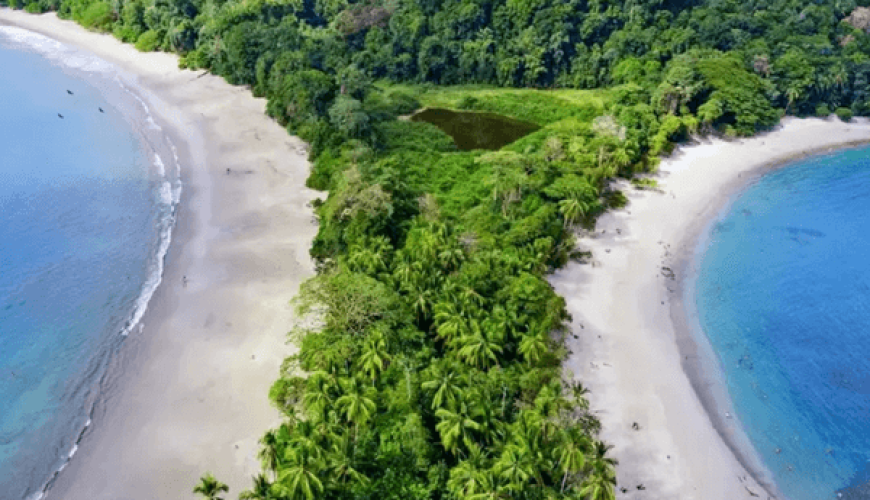
Why it’s amazing: Manuel Antonio packs so much beauty into a small area. It’s one of Costa Rica’s most popular national parks, combining lush rainforest with picture-perfect tropical beaches. Imagine sunbathing on white sand while curious capuchin monkeys and iguanas hang out nearby (watch your snacks!).
Top things to do: Hike the park’s well-maintained trails – the main path leads to several gorgeous beaches (Manuel Antonio beach and Espadilla Sur beach are inside the park and are idyllic for swimming). Along the way, you’re almost guaranteed to spot wildlife: troops of white-faced capuchin monkeys, howler monkeys hooting in the trees, possibly a sleepy sloth or two (guides with telescopes can point them out as blobs high in the canopy), colorful crabs on the rocks, and raccoons scavenging near the beach (guard your bags from these sneaky fellas!). There’s also a viewpoint trail that rewards you with a panorama of the Pacific coastline and islands. Outside the park, the public beach (Espadilla Norte) is great for sunsets and surf lessons. You can also go sea kayaking or snorkeling, take a catamaran tour to spot dolphins, or zip-line in the nearby hills.
Good to know: The park is closed on Tuesdays, and there’s a cap on daily visitors – it’s wise to buy tickets in advance online during high season. Manuel Antonio town has many hotels, from luxury resorts on the hillside (offering breathtaking ocean views) to budget hostels. It’s about 3 hours drive from San José, mostly on good roads. Be prepared for humidity and heat – pack swimwear, sunscreen, and water. Note: don’t feed the monkeys, no matter how cute they are; human food harms them and makes them aggressive. Also, keep belongings attended – monkeys and raccoons have been known to unzip backpacks for a treat!
4. Tamarindo – Surf, Sunsets, and Nightlife on the Gold Coast
Why it’s amazing: On the north Pacific coast in Guanacaste province lies Tamarindo, a buzzing beach town that’s great for those seeking sun, surf, and a social scene. Once a quiet fishing village, Tamarindo gained fame from the surf movie “Endless Summer II” and now is a hotspot for both beginner and experienced surfers.
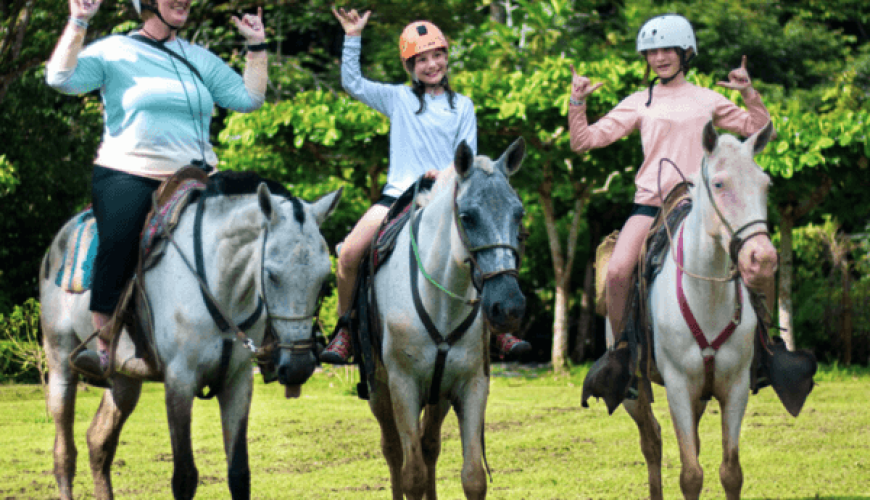
Top things to do: Surfing is the main draw – Tamarindo Beach has consistent waves perfect for learners, with plenty of surf schools ready to get you up on a board. More seasoned surfers might do day trips to nearby breaks like Langosta or Avellanas. Besides surfing, simply enjoy Tamarindo’s long crescent beach: swim (morning high tides are best), take a stroll during low tide, or go horseback riding by the water. At sunset, the sky often erupts in orange and pink – grab a spot at a beachfront bar or join locals on the sand to watch the show. For wildlife, take a boat tour into the Tamarindo estuary (part of Las Baulas National Park) to see crocodiles, birds, and howler monkeys in the mangroves. Alternatively, from October to March, you can do a night tour to nearby Playa Grande to witness leatherback sea turtles nesting (seasonal, and requires a guided tour as it’s protected). After dark, Tamarindo has the most vibrant nightlife in Guanacaste: numerous restaurants (from local sodas to international cuisine), lounges, live music, and even beach parties.
Good to know: Tamarindo is very tourist-friendly – English is commonly spoken, and you’ll find amenities like ATMs, supermarkets, and pharmacies easily. It’s a great base to explore other Guanacaste highlights (like Conchal, Flamingo, or Rincon de la Vieja volcano on day trips). One thing to note: because Tamarindo is popular, prices here (for food, etc.) can be a bit higher than more remote towns. Also, it’s dry and sunny nearly all year, but the flip side is the landscape goes brown in dry season (good news: no humidity!). Bring cash for beach vendors or smaller eateries (USD accepted in many places). And yes, it’s generally safe, but petty theft can occur – don’t leave valuables unattended on the beach while you surf.
5. Tortuguero – Amazon-Like Canals and Turtle Nesting
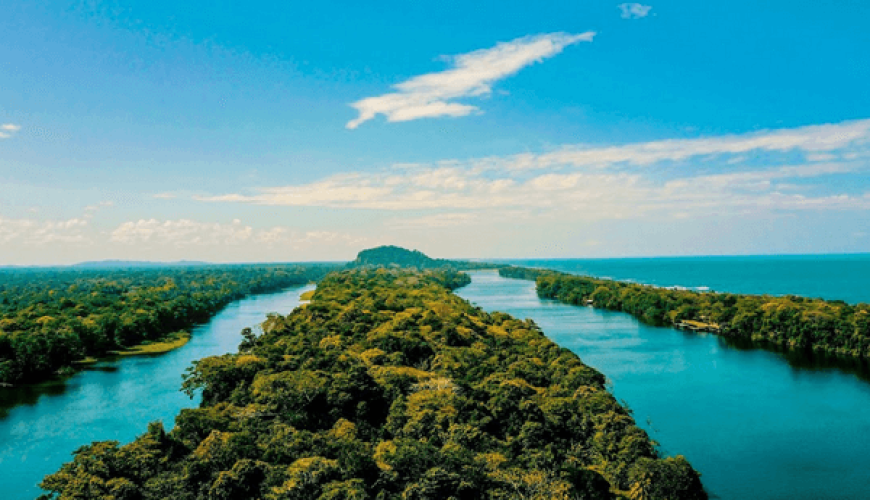
Why it’s amazing: Often called the “Amazon of Costa Rica” for its labyrinth of tropical canals, Tortuguero National Park on the Caribbean coast offers a totally different vibe from the rest of the country. It’s remote (reachable only by boat or small plane) and teeming with wildlife. Plus, it’s one of the world’s most important sea turtle nesting sites.
Top things to do: The quintessential Tortuguero experience is a guided canoe or boat tour at dawn through the canals. As you silently glide on water flanked by dense jungle, keep your eyes peeled for caimans lurking on the banks, playful river otters, tons of birds (toucans, herons, kingfishers), and maybe even an elusive manatee (rare, but they’re out there!). Monkeys (spider, howler, capuchin) are commonly seen swinging in the trees by the water’s edge. Some travelers also opt for a kayak to explore smaller creeks at their own pace. Walking through the village of Tortuguero is charming – there are no cars, just footpaths. Visit the Sea Turtle Conservancy center to learn about the turtle conservation efforts. If you come during nesting season (roughly July–October for the giant green turtles, and also some hawksbills; and February–April for the smaller leatherbacks), you must do a night turtle tour on the beach. Seeing a massive green turtle haul herself ashore to lay eggs under the moonlight is a life-changing wildlife experience. (Remember: only go with a certified guide, no cameras or lights unless permitted – these rules protect the turtles.)
Good to know: Tortuguero’s remoteness means you’ll likely stay in an eco-lodge that includes meals and tours. It can rain frequently here (it’s one of the wettest areas of CR), so bring a good raincoat and keep your gear dry (dry bags are useful). In exchange for the rain, you get lush jungle and wildlife galore. There’s a small airport for fly-in packages, but most people take a 3-4 hour shuttle/boat from San José. It’s worth the trek if you love nature and off-the-beaten-path spots. Also, pack insect repellent – mosquitoes can be present due to the wetlands.
6. Corcovado & Osa Peninsula – Intense Wilderness (for the adventurous)
Why it’s amazing: National Geographic once called Corcovado National Park “the most biologically intense place on Earth” – and that’s not hyperbole. Located in the remote Osa Peninsula (south Pacific), Corcovado protects the largest remaining stretch of Pacific coastal rainforest in Central America. It’s wild, raw, and utterly spectacular for wildlife enthusiasts. Think tapirs, jaguars, scarlet macaws, pecarries – all in their untouched habitat.
Top things to do: The main draw is trekking in Corcovado National Park. This is not a simple walk in the park – you’ll need a permit and certified guide. Common entry points are via boat to Sirena Ranger Station or hiking from La Leona/Carate to Sirena. On a typical day hike or overnight, you might see everything from troops of squirrel monkeys (only found on the Osa) to tapir sleeping by a river, coatis sniffing around, and countless birds. If you’re very lucky, you might spot a puma or jaguarundi (very rare, but guides often pick up fresh tracks). Even on the outskirts in Drake Bay or Puerto Jiménez, wildlife is abundant. Aside from jungle trekking, Osa offers incredible snorkeling or diving at Caño Island (reachable by boat tour from Drake Bay; you can swim with reef sharks, rays, sea turtles, and in season, see humpback whales). Also consider a night hike near your lodge – the frog and insect life is amazing after dark.
Good to know: This region is for more adventurous travelers, as amenities can be basic and distances are far. But there are also a few upscale eco-lodges that provide comfort amid the wilderness. Puerto Jiménez and Drake Bay are the two main hubs. To get here, one can take a domestic flight, or drive (or bus) ~7-8 hours from San José to Puerto Jiménez, or a combination of drive + boat for Drake Bay. Pack lightweight long pants and long-sleeve shirts for treks (for sun and bug protection), and sturdy hiking shoes that can get muddy. It will be hot and humid – staying hydrated is key. Also note, Corcovado hikes might involve river crossings and plenty of mud in rainy season. But oh boy, is it worth it for bragging rights of venturing into Jurassic-Park-level jungle. If you want to experience Costa Rica’s nature at its most pristine, Osa is the place.
7. San José & Central Valley – Culture and Coffee
Why it’s amazing: Many travelers skip San José, the capital, to head straight to nature. But if you love history, art, and coffee, dedicating a day or two around the Central Valley has rewards. San José features some excellent museums and a lively urban vibe, while the surrounding highlands are home to coffee farms and volcano vistas.
Top things to do: In San José city, visit the National Museum, housed in an old fort (you’ll literally walk through a butterfly garden to enter) to get a sense of Costa Rican history, from pre-Columbian gold artifacts to the abolition of the army in 1948. The Pre-Columbian Gold Museum and the Jade Museum boast impressive collections of indigenous art and jewelry. The Teatro Nacional (National Theater) is a gorgeous 19th-century building where you can catch a performance or just tour its ornate interior. Stroll through the Central Market to sample local foods (try a casado – the traditional plate of rice, beans, plantain, salad and meat).
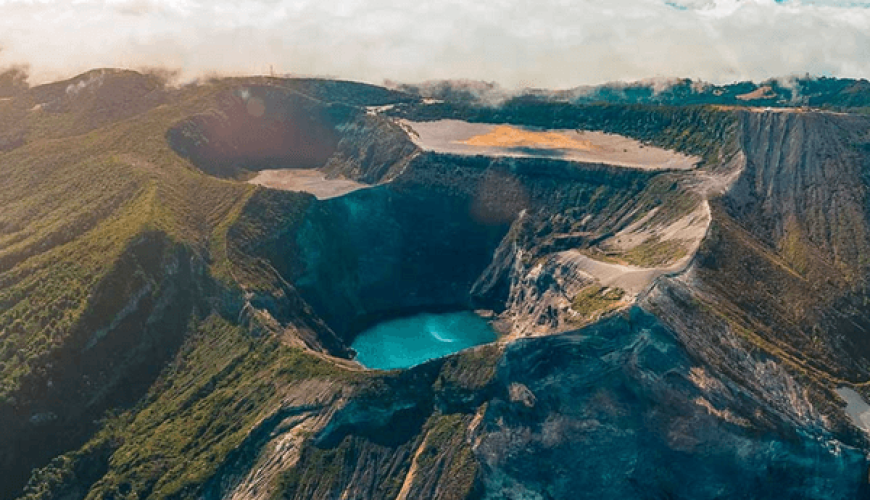
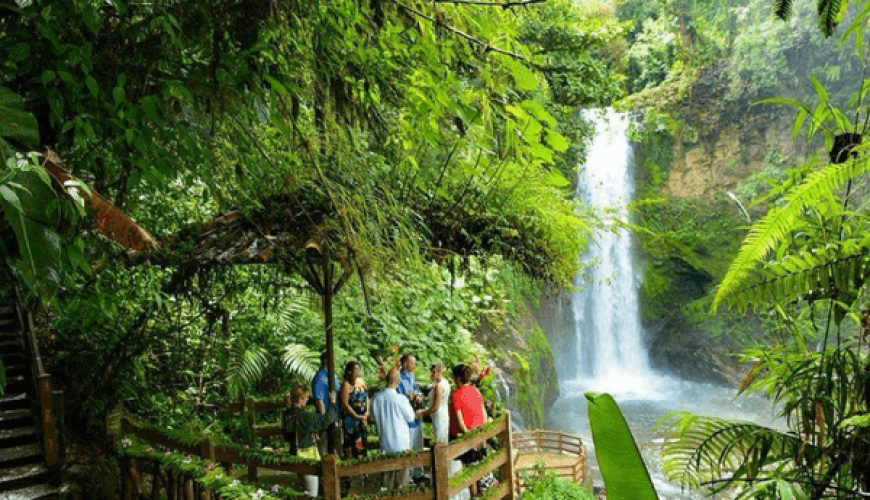
Just outside the city, consider a half-day trip to Poás Volcano (about 1.5 hours away) – it’s a volcano with a huge crater lake you can see from a viewing platform (on clear mornings, the bright turquoise crater lake is stunning). There’s also Irazú Volcano, reachable in a similar time, where you stand above the clouds at over 11,000 feet. If you’re a coffee lover, don’t miss a coffee plantation tour in areas like Doka Estate, Café Britt, or smaller organic fincas in the hills of Heredia or Alajuela. You’ll learn about coffee production from bean to cup (and surely taste some fresh brew). Many of these tours can be done in a single day combined with a volcano or waterfall garden stop. Speaking of which, the La Paz Waterfall Gardens (an hour from SJ) is a touristy but beautiful spot where you can see 5 waterfalls, a rescued wildlife sanctuary, and lush gardens – great if you want easy photo ops of toucans, jaguars (in sanctuary), and waterfalls all in one place.
Good to know: San José’s elevation (~1,200 m or 3,700 ft) gives it a mild spring-like climate. It can get cool at night (18°C/65°F), so a light jacket is handy. Traffic in the city is hectic; use Uber or official red taxis to get around, or the public buses if you’re adventurous (they’re cheap but a bit confusing route-wise). At night, stick to areas like Escazú, Barrio Escalante or Santa Ana for nice dining and bars; downtown San José gets quieter and you should use normal city smarts about not flashing valuables. For day tours, it’s often easiest to go with a reputable tour company that handles transport, especially for Poás (which requires advance reservation due to crater viewing restrictions). If you have an extra day, also consider the Orosi Valley & Cartago area – it has the picturesque Lankester Botanical Gardens and the ruins of Costa Rica’s oldest church, plus steaming hot springs in the hills.
These seven destinations offer a well-rounded sampler of Costa Rica: volcanoes, cloud forests, wildlife, beaches, and culture. Of course, there’s so much more (we haven’t even talked about Guanacaste’s other beaches, or the Caribbean vibe of Puerto Viejo, or offbeat gems like Rio Celeste’s sky-blue river). But for a first-time trip, you can’t go wrong with the classics on this list. Whether you end up sloth-spotting in Manuel Antonio or surfing Tamarindo’s waves, you’ll quickly see why Costa Rica is one of the world’s favorite destinations. Embrace the pura vida mindset and happy travels!
0 Comment